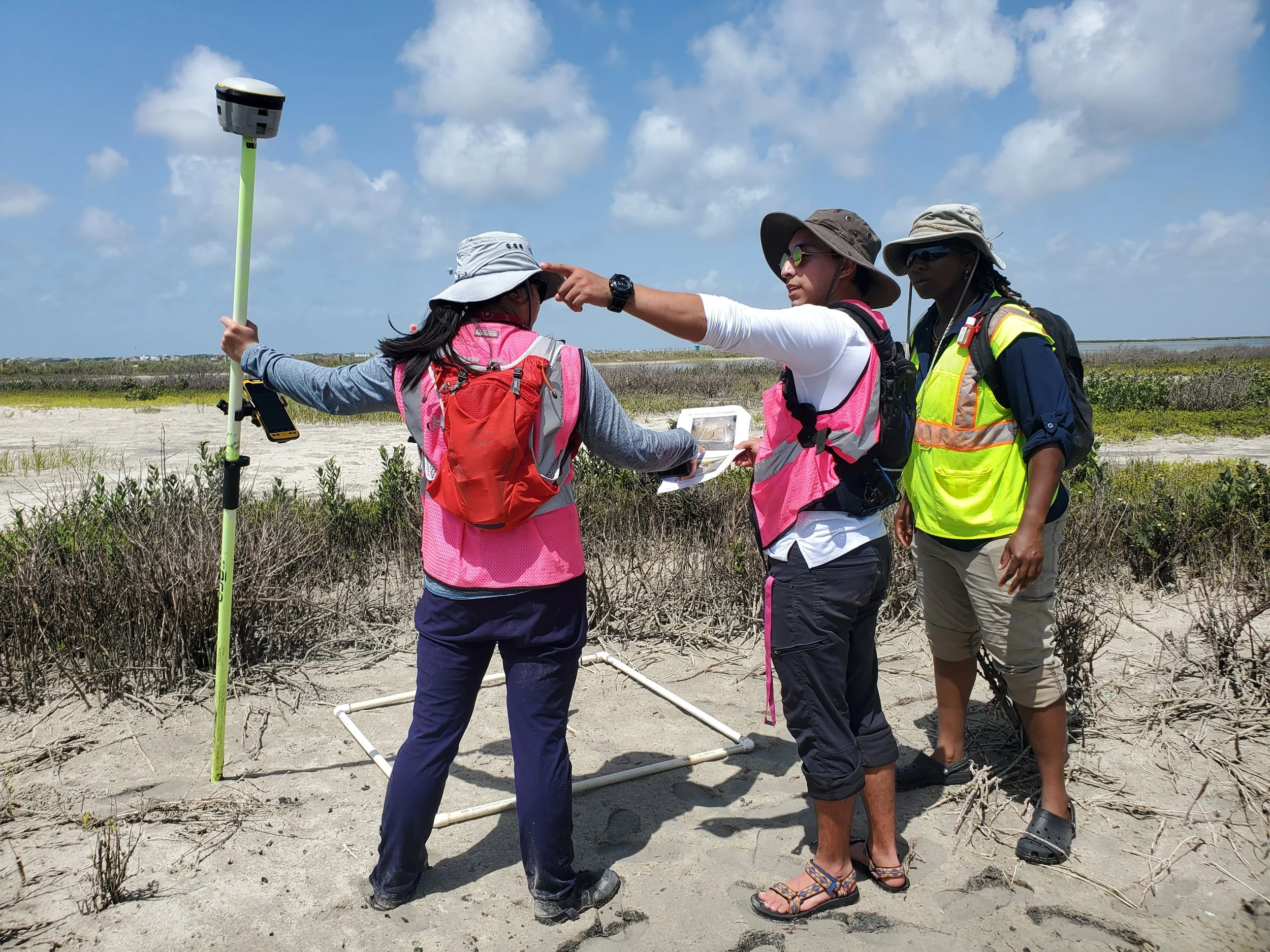
Know the land before you make the investment
Land development moves quickly, and environmental uncertainty can have real consequences for acquisition, planning, design, permitting, and schedule.
Hollaway helps developers, landowners, engineers, and planning teams understand environmental conditions early—before important decisions become expensive to change.
Our experience includes master-planned communities, residential and mixed-use developments, commercial properties, waterfront communities, and large undeveloped tracts across Texas.
From early due diligence and environmental constraints analysis through field studies, permitting, mitigation, and construction compliance, our team helps clients understand what is on a property, what it could mean for development, and what it will take to move forward.
Our Capabilities
Environmental Planning + Due Diligence
We help developers and landowners understand environmental conditions and potential constraints before acquisition, site planning, or major investment decisions are made.
- Environmental constraints and feasibility studies
- Site selection and alternatives analysis
- Environmental due diligence
- Phase I Environmental Site Assessments
- Cultural resources coordination
- Protected species and habitat screening
- GIS and environmental data analysis
- Regulatory and permitting assessments
Natural + Water Resources
Our scientists evaluate the natural resources within a property to help development teams understand existing conditions, potential impacts, and how environmental considerations may influence site planning and design.
- Wetland and stream delineations
- Protected species surveys
- Migratory bird, eagle, and freshwater mussel surveys
- Habitat assessments
- Water resource evaluations
- Field investigations and technical documentation
- State and federal agency coordination
Environmental Permitting + Mitigation
When development affects regulated resources, we help clients navigate permitting requirements and develop practical strategies for mitigation and compliance.
- Clean Water Act Section 404 and Section 10 permitting support
- State and federal environmental permitting
- Mitigation planning and coordination
- Compensatory mitigation support
- Ecosystem restoration support
- Regulatory agency coordination
- Permit documentation and compliance support
Public Involvement + Stakeholder Engagement
Development projects can involve neighboring communities, property owners, agencies, elected officials, and other stakeholders with an interest in what is proposed. We help clients communicate plans clearly, understand concerns, and engage stakeholders when and where the project requires it.
- Communications and engagement strategies
- Stakeholder identification
- Community and property owner outreach
- Public meetings and presentations
- Elected official and agency briefings
- Project messaging and informational materials
- Issues and opposition communications
Construction Environmental Compliance + Management
Our environmental support can continue into construction, helping development teams maintain permit and environmental commitments as plans become projects on the ground.
- Pre-construction environmental surveys
- Environmental inspection and monitoring
- Permit compliance support
- Protected species and habitat monitoring
- Construction-phase environmental documentation
- Post-construction and mitigation monitoring
Certainty Matters When the Clock Is Running
The best time to discover an environmental constraint is before a site plan is finished, a closing is approaching, or construction is ready to begin.
Wetlands and waterways, protected species and habitat, cultural resources, hazardous materials, and permitting requirements can all influence how land can be developed.
Hollaway helps clients answer those questions early.
Our environmental professionals combine desktop analysis with experienced field investigation to identify constraints, understand regulatory implications, and help development teams evaluate practical paths forward.
And when a project requires permitting, mitigation, agency coordination, or long-term monitoring, we can stay with the work rather than handing the client a report and walking away.
That continuity gives developers better information at the beginning and fewer surprises as the project moves forward.